Independent machinery sourcing · RFQ

plastic sheet extrusion machine

Plastic Sheet Extrusion Machine Sourcing is an independent sourcing partner for US buyers who need a plastic sheet extrusion machine scoped around a named polymer, a net trimmed width in millimetres, a thickness with tolerance, and a mass throughput in kg/h that a factory can restate under those conditions. Share quantity and destination so we can request comparable factory wholesale quotes. This site does not sell from stock and does not claim original-equipment identity. A published clear-sheet line table that separates thickness, width, materials and mass output is a unit checklist dated 2026-09-17, not this service’s supply promise. Pipe lines, compounding twin-screw extruders and recycling pelletizing lines have separate primary scopes.
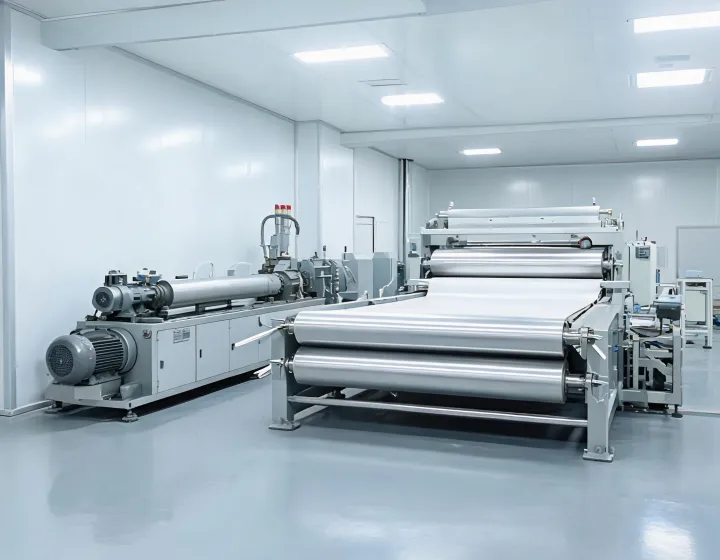
Sheet extrusion line with die, polishing roll stack and downstream trim in a plastics plant Request Factory Quotes

Duty and operating envelope

Material entering the machine
Name the polymer or feedstock grade, moisture limit, regrind percentage and whether the structure is single-layer or coextruded. A generic “PP sheet” label is not a trial material.
Required output
State saleable sheet after edge trim: net width, thickness tolerance and throughput in kg/h at those dimensions, not only a family maximum kg/h from an open catalog.
Duty cycle
Record campaign length, thickness or width change frequency, and whether the line is expected to run continuous days or interrupted shifts. Duty cycle here is production hours and changeover, not a packaging cycle time.

Trial sequence

A plastic sheet extrusion machine RFQ is useful when the factory trial uses the buyer’s polymer and the same thickness window that will ship. Nominal screw speed without a saleable-sheet definition is not a complete brief. We collect the trial split so manufacturers quote the same envelope rather than mixing a bare extruder price with an installed sheet line.

  1. Representative sample

    Provide resin grade, net trimmed width, thickness tolerance and surface or optical acceptance. Identify single-layer versus coextrusion so the die and feedblock can be listed rather than assumed.

  2. Demonstration

    Ask the factory to produce sheet from that material and show thickness across the width on the roll stack that is actually quoted, not on a different laboratory die.

  3. Acceptance record

    Record usable sheet after trim, startup waste and time to recover stable quality. Keep that record so FAT language can repeat the same polymer and thickness window.

Trial checks that change a sheet-line application brief

  1. Representative sample

    If the buyer needs both thin optical sheet and thicker industrial sheet, list priority products separately. Combining a family’s highest kg/h with its widest die may describe no available configuration.

  2. Demonstration

    Review roll access, die adjustment and cooling-water temperature for the quoted polishing stack. A demonstration on an uncooled calendar is not evidence for a chilled three-roll duty.

  3. Acceptance record

    Write who measures thickness, who owns edge-trim handling, and whether a profile die trial is excluded. Profile calibration and haul-off belong on a separate request.

Buyer questions before a comparable RFQ

Which procurement scope is covered by plastic sheet extrusion machine?
  1. Representative sample

    Sheet width, thickness and polymer define the trial. Pipe, compounding twin-screw and recycling pelletizing remain out of this primary scope even if a factory also sells those machines.

  2. Demonstration

    The supplier confirms die, roll stack and thickness-control items included on the quoted line. The buyer owns process data, destination logistics and contract acceptance.

  3. Acceptance record

    Engineering sign-off is not transferred to this sourcing service. Read saleable-sheet definitions and line mapping from resin to stack before treating two catalog maxima as one configuration.

What polymer and sheet tolerance define the extrusion trial, and which responsibilities stay with supplier versus buyer?

Ask the factory to restate throughput in kg/h at the named width and thickness, and to separate dryer, melt filtration, die, roll stack, trim and cutter or winder. Tooling here means sheet dies, feedblocks and roll stacks, not a compression mold. The buyer supplies feedstock identity and destination; the supplier confirms feasibility on the quoted hardware. No percentage saving is published without matching quotations.

Send a comparable factory brief

Discuss Your Requirements